
How the Government Shutdown Is Testing the Courts, and What It Means for Commercial and Intellectual Property Litigation
The federal government shutdown has once again placed the justice system and federal agencies under unusual strain. While the Supreme Court and most federal courts remain technically open, the ongoing funding lapse is beginning to slow critical operations that affect businesses, intellectual property owners, and litigants nationwide.
For companies engaged in complex commercial or IP litigation, the question is not whether the system is functioning; it’s how unevenly it’s functioning, and what that means for cases, filings, and strategy in the coming weeks.
The Judiciary’s Balancing Act
When Congress fails to pass appropriations, the Judicial Branch operates on temporary reserves: court fee balances and other non-appropriated funds. These limited resources allow the courts to keep functioning for a short period, typically a few weeks.
Once those reserves are depleted, courts must restrict operations to matters deemed essential under the Antideficiency Act, primarily criminal proceedings and urgent constitutional cases. Civil cases, including most commercial disputes, are often delayed or scaled back.
Despite these limits, the Supreme Court and most lower courts have committed to remaining open “as long as possible.” According to official updates from the Administrative Office of the U.S. Courts, filing systems, electronic dockets, and critical functions will continue, but support staff and juror payments may soon become unsustainable if the shutdown drags on.
Civil Litigation in Slow Motion
For the business community, the shutdown’s most immediate consequence is a slowdown in civil litigation. While judges continue to preside and accept filings, many federal employees — including clerks, analysts, and government attorneys — have been furloughed.
This has created a ripple effect:
- Department of Justice attorneys handling civil matters are prohibited from working unless their cases are directly tied to public safety or constitutional obligations. Many have already moved to stay proceedings until appropriations are restored.
- Discovery deadlines dependent on agency cooperation, expert reviews, or federal data requests are likely to slip.
- Court hearings and conferences are being reset, especially in cases involving government parties or witnesses.
Commercial litigants should expect a patchwork of outcomes: some courts remain on schedule; others are paring down to the essentials. In many jurisdictions, judges are signaling patience but caution, encouraging parties to stipulate to reasonable continuances rather than risk default or rushed proceedings.
Jury Trials and the Challenge of Juror Pay
A particularly sensitive issue is juror compensation. Jurors are constitutionally required participants in both criminal and civil trials, but their stipends — currently $50 per day plus expenses — are federally funded.
Without appropriations, courts technically lack authority to issue those payments. While some districts have used limited carryover funds to continue paying jurors, others are warning that those resources may soon run dry.
The result: judges are beginning to delay or suspend civil jury trials rather than risk asking citizens to serve without pay. Criminal trials, which carry constitutional time constraints, are being prioritized.
For commercial litigants, this means potential trial delays — not for reasons of substance, but logistics. Even well-prepared cases could be held in limbo until juror pay funding is restored.
Intellectual Property and the USPTO
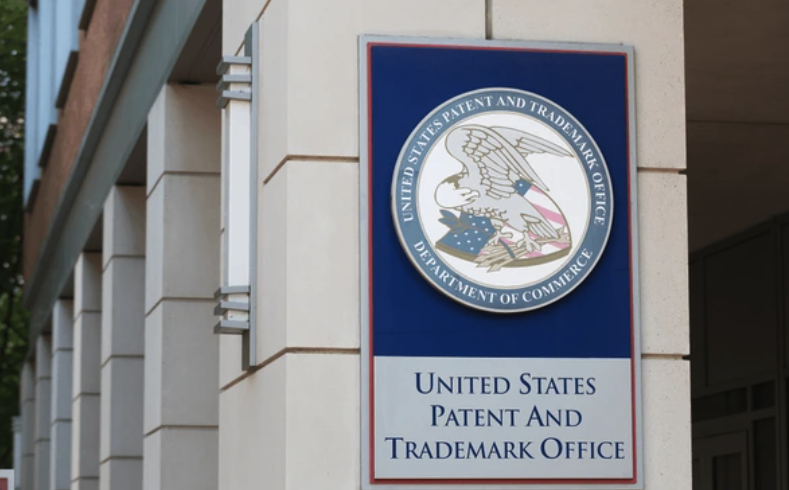
While many agencies shutter entirely during a shutdown, the U.S. Patent and Trademark Office (USPTO) operates somewhat independently. Funded primarily through user fees rather than congressional appropriations, the USPTO remains open — but with caveats.
The agency draws on a reserve fund to continue examinations, filings, and appeals through the Patent Trial and Appeal Board (PTAB) and Trademark Trial and Appeal Board (TTAB). These operations are currently unaffected, meaning patent and trademark filings, office actions, and deadlines are still in force.
However, should the shutdown extend beyond several weeks, that reserve will deplete. At that point, the USPTO would shift to a reduced-staff model, maintaining only critical IT systems and emergency operations. In previous shutdowns, this has led to:
- Delays in patent and trademark examinations due to limited examiner availability
- Suspended issuance of new patents until funding resumes
- Backlogs in TTAB and PTAB proceedings once full operations return
- Delays in processing international applications through the Patent Cooperation Treaty (PCT) system
For inventors, entrepreneurs, and established brands, these disruptions have tangible effects. Patent filings are often tied to investment rounds, product launches, and enforcement strategies; trademark registrations underpin licensing and brand protection efforts. A prolonged shutdown could slow both innovation and enforcement pipelines, leaving businesses temporarily exposed.
Broader Commercial Impacts
The ripple effects extend beyond litigation and IP. Businesses relying on federal approvals, certifications, or loan programs are already feeling the pressure.
- The Small Business Administration (SBA) has paused processing of new 7(a) and 504 loans, delaying closings and project financing.
- The Securities and Exchange Commission (SEC) has reduced staffing, slowing corporate registration reviews and merger filings.
- Federal contracting and procurement offices have postponed bid deadlines and payment processing for ongoing contracts.
Together, these disruptions can strain liquidity, delay settlements, and complicate contractual performance obligations — particularly where federal involvement underpins a commercial deal.
Navigating the Uncertainty
For companies and counsel, the current environment calls for vigilance and adaptability. Practical steps include:
- Monitoring court and agency updates daily. Each district court and federal agency issues its own operating notices; staying current prevents missed deadlines.
- Protecting IP portfolios. Continue to file patents and trademarks on time — the USPTO remains open, and missed deadlines can have permanent consequences.
- Documenting delays. If your case or application is affected by the shutdown, keep written records of missed responses, delayed payments, or postponed hearings for later procedural relief.
- Exploring alternative dispute resolution (ADR). Where federal litigation slows, mediation or arbitration may offer faster paths to resolution.
The Takeaway
The 2025 government shutdown underscores how interconnected our legal and regulatory systems are. The courts have not closed, but they are operating under constraint. Civil cases are slowing; juror pay shortages threaten trial calendars; and while the USPTO remains open, its continued function depends on a reserve fund that won’t last indefinitely.
For businesses and innovators alike, the lesson is simple: stay informed, stay timely, and stay proactive. The shutdown may test the system’s resilience, but it also highlights the importance of preparation and adaptability in protecting commercial and intellectual property interests.