
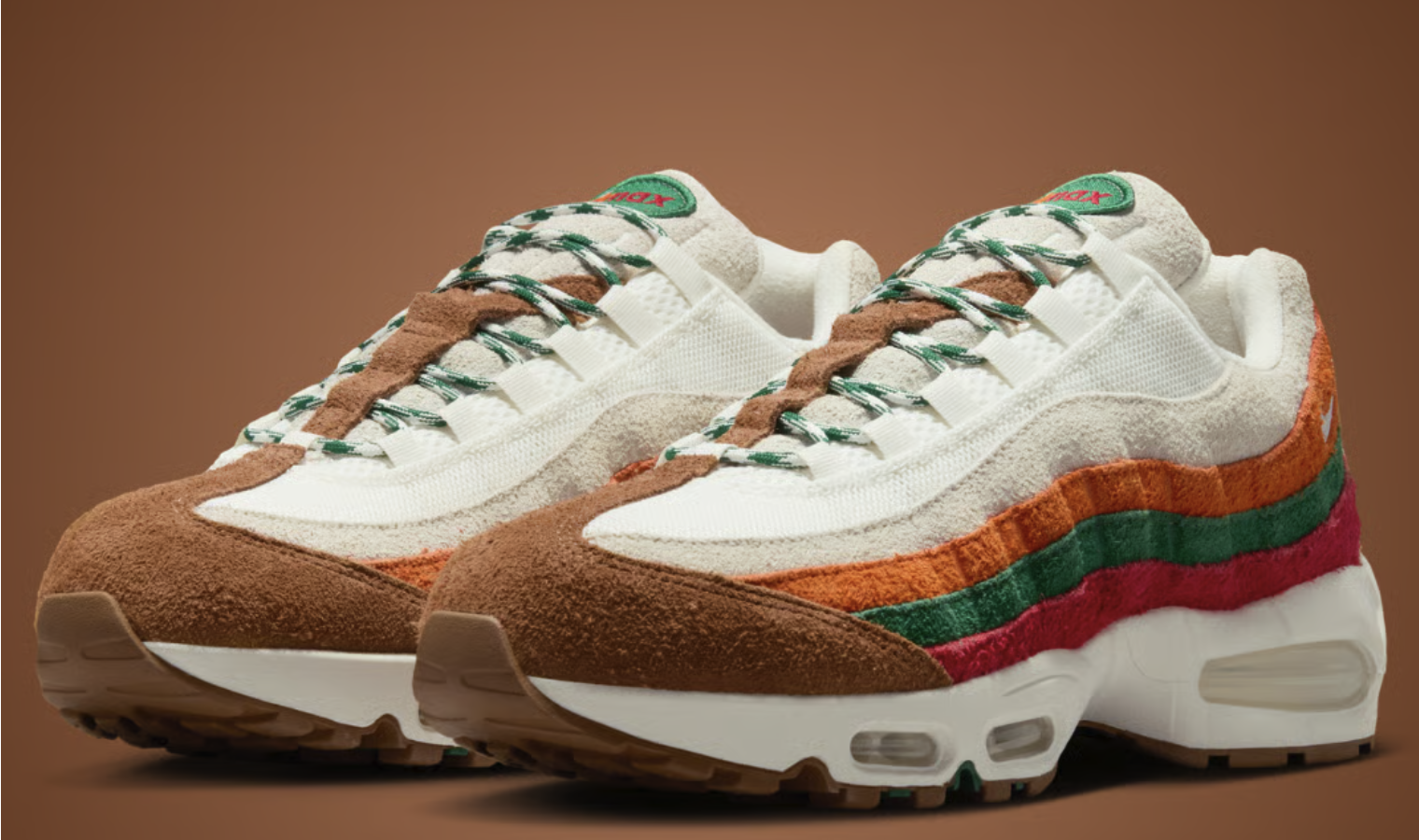
Can a Color Scheme Be Trademarked? Lessons from the 7-Eleven v. Nike Lawsuit
When most people think of trademarks, they think of names, logos, or slogans.
But a recent lawsuit filed by 7-Eleven against Nike serves as a reminder that a brand’s identity can extend well beyond its logo. In some cases, even a distinctive color scheme may be protected under trademark law.
On July 1, 2026, 7-Eleven filed a lawsuit against Nike in the U.S. District Court for the Northern District of Texas, alleging that Nike’s Air Max 95 sneaker infringes on 7-Eleven’s well-known orange, green, and red “Tri-Color Mark.” According to the complaint, the shoe’s color arrangement, marketing, and July 11 release date, better known as “7-Eleven Day”, could lead consumers to believe the product was affiliated with or endorsed by 7-Eleven, despite no such partnership existing. The sneaker was released on July 11, and the lawsuit remains pending.
The lawsuit has generated significant attention because it raises an important question for businesses:
Can a company really own a color scheme?
Trademark Protection Goes Beyond Logos
The short answer is yes, but only under certain circumstances.
While traditional trademarks protect names, logos, and slogans, trademark law also recognizes trade dress, which protects the overall visual appearance of a product or business when that appearance identifies the source of the goods or services.
Trade dress can include:
- Product packaging
- Store layouts
- Product design
- Distinctive color combinations
- Other visual elements consumers associate with a particular brand
The key question is whether consumers have come to recognize those features as identifying a single company rather than simply serving a decorative purpose.
When Can Colors Be Protected?
Not every color, or combination of colors, qualifies for trademark protection.
Generally, a business must show that its colors have acquired distinctiveness, meaning consumers have come to associate those colors with a particular source of goods or services.
Some well-known examples include:
- Tiffany & Co.’s robin’s egg blue packaging
- UPS’s brown delivery trucks and uniforms
- T-Mobile’s signature magenta branding
In its lawsuit, 7-Eleven argues that it has used its orange, green, and red color combination consistently for decades across storefronts, signage, advertising, merchandise, and promotional materials. As a result, the company contends that consumers recognize those colors as identifying 7-Eleven itself.
The Legal Issue Isn’t Whether the Colors Match
Many people assume trademark cases come down to whether two products look identical.
In reality, the central issue is likelihood of consumer confusion.
The question the court will ultimately consider is whether consumers are likely to believe Nike’s shoe was sponsored, approved, licensed, or otherwise connected with 7-Eleven because of its overall appearance and marketing.
Among other allegations, 7-Eleven points to Nike’s decision to release the sneaker on July 11, better known as “7-Eleven Day“, as evidence that consumers could mistakenly believe the shoe was associated with or endorsed by the convenience store. Whether those facts ultimately establish trademark infringement remains for the court to decide.
Why This Matters for Businesses
Whether or not 7-Eleven ultimately prevails, the lawsuit offers an important reminder for businesses of every size:
Your brand may include more legally protectable assets than you realize.
Many business owners focus on registering their company name or logo, but other brand elements may also deserve protection, including:
- Product packaging
- Website design
- Signature color schemes
- Store appearance
- Marketing materials
- Unique visual branding
Likewise, when introducing a new product or rebranding an existing one, businesses should consider whether their design choices could create confusion with another company’s established brand identity.
Investing in a thoughtful intellectual property strategy early can help reduce the risk of costly disputes later.
The Bottom Line
The 7-Eleven v. Nike lawsuit is about more than sneakers.
It highlights how modern trademark law protects the visual identity businesses spend years building. While logos and company names remain important, they are only part of a broader brand strategy that may include colors, packaging, product design, and other distinctive visual features.
Although the outcome remains uncertain, the case is one to watch, not only for large brands but for businesses of all sizes seeking to protect what makes them recognizable in the marketplace.
The lawsuit also serves as a reminder that intellectual property disputes are not limited to Fortune 500 companies. Businesses of all sizes should periodically evaluate whether the names, logos, colors, packaging, and other visual elements that distinguish their brands are adequately protected.
If you have questions about protecting your company’s trademarks, trade dress, or other intellectual property, the Griffith Barbee team is here to help you develop a strategy tailored to your business.