
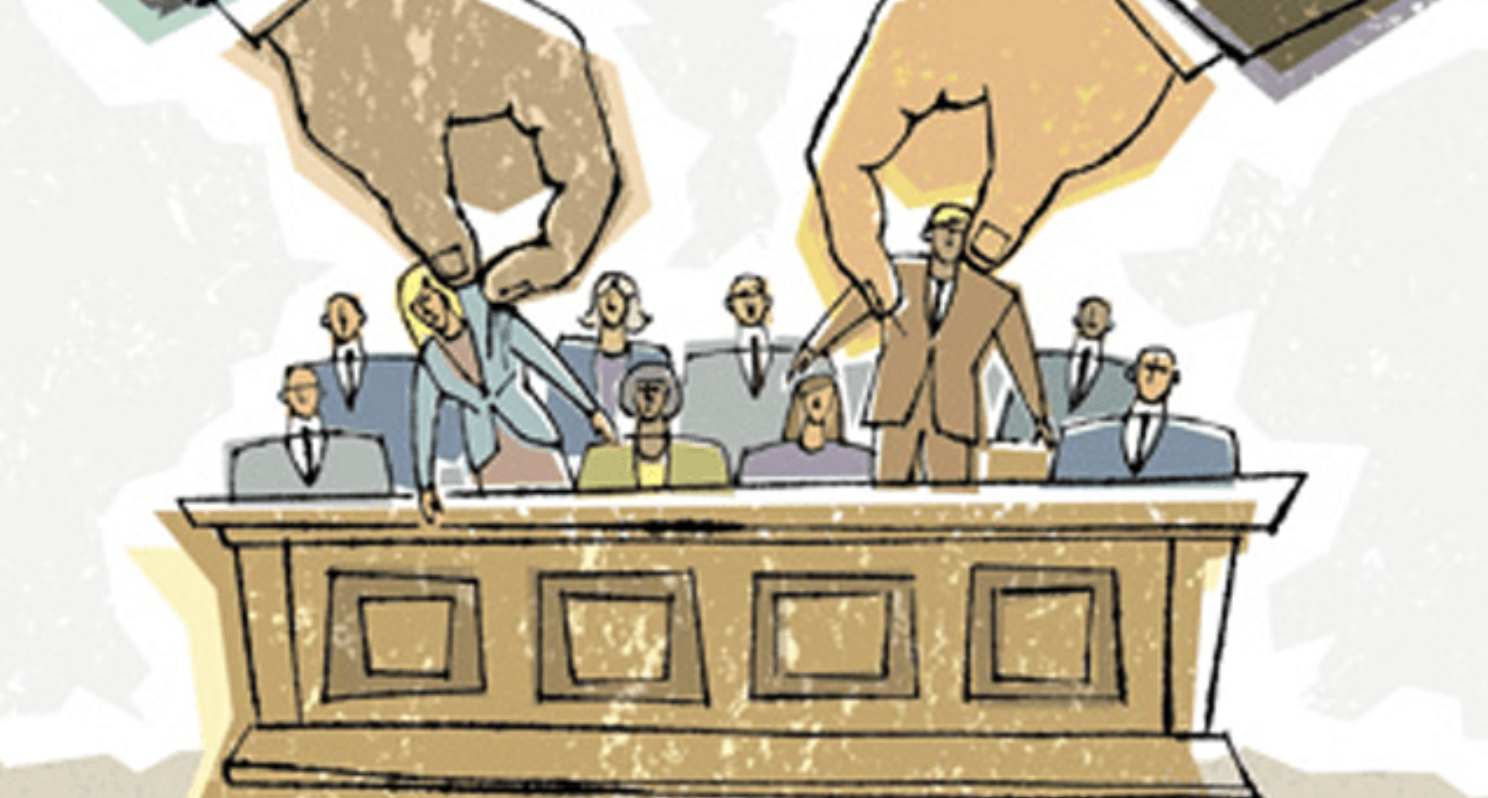
What Is Voir Dire? Why Jury Selection Matters in Litigation
When most people picture a trial, they think of opening statements, witness testimony, or closing arguments. But long before any evidence is presented, one of the most important phases of a trial has already begun: voir dire, the process of selecting a fair and impartial jury.
Although it often receives little public attention, jury selection can have a significant impact on how a case unfolds. For businesses involved in commercial litigation, understanding the purpose of voir dire provides valuable insight into the trial process and why experienced trial counsel devote substantial time and preparation to it.
What Is Voir Dire?
“Voir dire” is a legal term referring to the process of questioning prospective jurors before a trial begins. The purpose is not to persuade jurors or argue the case. Instead, attorneys and the court seek to determine whether potential jurors can evaluate the evidence fairly and follow the law as instructed by the judge. Courts use this process to help ensure every party receives a fair and impartial jury.
While the procedures vary by jurisdiction, jury selection generally allows both the judge and the attorneys to ask questions designed to uncover potential biases, conflicts of interest, or experiences that could affect a juror’s ability to remain impartial.
Why Jury Selection Matters
Every juror brings unique life experiences, perspectives, and beliefs into the courtroom. Those experiences are not inherently problematic; in fact, diverse perspectives are an important part of the jury system. The goal of voir dire is simply to identify whether any preconceived opinions or experiences would prevent a juror from deciding the case solely on the evidence presented in court.
For example, in a commercial dispute, jurors may have:
- Owned or operated a business.
- Been involved in prior lawsuits.
- Managed contracts or vendor relationships.
- Experienced disputes with customers, employees, or business partners.
- Developed opinions about corporations or the civil justice system.
None of these experiences automatically disqualify someone from serving. Instead, the questioning helps determine whether a juror can set aside personal experiences and decide the case fairly.
What Types of Questions Are Asked?
Voir dire questions are intended to encourage honest discussion, not to identify “good” or “bad” jurors.
Depending on the nature of the case, attorneys may ask about:
- Prior jury service
- Employment history
- Experiences with lawsuits
- Knowledge of the parties or witnesses
- Personal or professional experiences related to the legal issues involved
- Ability to follow the court’s instructions, even if they disagree with them
The answers help the court determine whether certain jurors should be excused for cause or whether attorneys should exercise a limited number of peremptory challenges, when permitted by law.
Why Preparation Matters
Effective voir dire is about far more than asking questions from a checklist.
Experienced trial attorneys spend significant time preparing for jury selection by developing thoughtful questions, anticipating potential concerns, and considering how certain experiences may influence the way jurors evaluate evidence. Just as importantly, attorneys listen carefully, not only to what prospective jurors say, but also how they say it.
The objective is not to select jurors who favor one side. It is to help ensure the case is decided by individuals who are willing to evaluate the evidence fairly and apply the law as instructed by the court.
Voir Dire in Commercial Litigation
Commercial litigation often involves complex contracts, financial records, technical business issues, and competing narratives. Jurors are frequently asked to evaluate detailed evidence over the course of several days or even weeks.
A thoughtful voir dire process helps identify jurors who can remain engaged, carefully consider the evidence, and reach a verdict based on the facts rather than assumptions or preconceived opinions.
For businesses facing high-stakes litigation, that process is a critical part of ensuring a fair trial.
Final Thoughts
Trial strategy begins long before opening statements.
Voir dire lays the foundation for every jury trial by helping ensure that disputes are decided by fair and impartial jurors. While many people never see this stage of the process, it is one of the most important responsibilities of experienced trial counsel.
At Griffith Barbee, we understand that successful trial advocacy begins with thorough preparation. Whether representing businesses in contract disputes, partnership conflicts, intellectual property matters, or other complex commercial litigation, we prepare every aspect of a case with the goal of presenting it clearly, effectively, and persuasively to a jury when trial becomes necessary.